

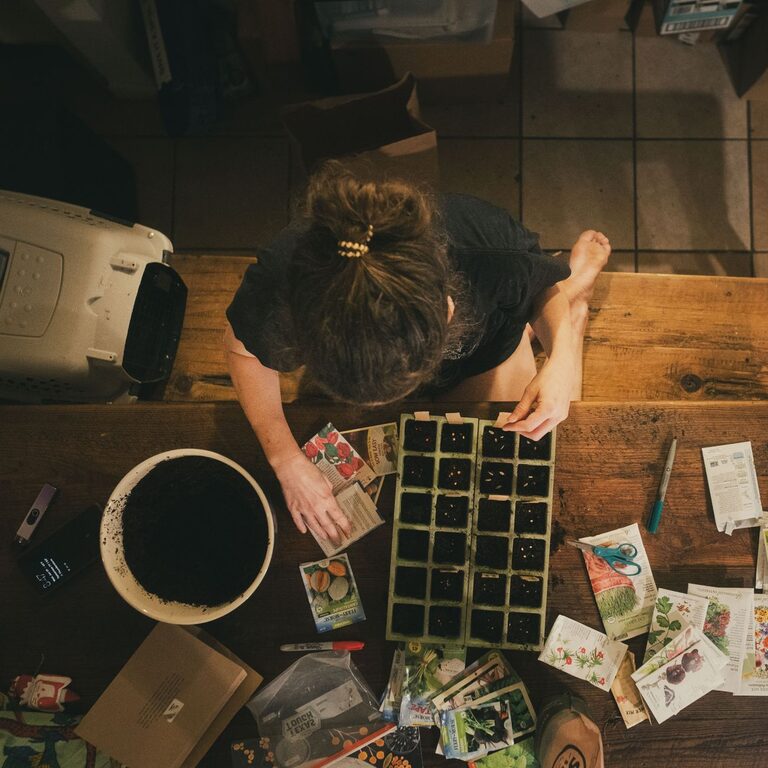
Gardening is a rewarding way to spend an active weekend, but it does not have to involve heavy digging, long hours, or complicated equipment. With a few thoughtful projects, you can refresh your outdoor space while working at a comfortable pace and making practical use of available materials.
Low-impact gardening focuses on simple tasks, efficient tools, water-wise choices, and designs that are easier to maintain. These projects can work in a large backyard, a small patio, or a shared outdoor area.
Plan Your Weekend Garden Projects
Before gathering supplies, take a short walk around your outdoor space. Look for areas that need attention and choose projects that match the time and energy you have available.
A simple plan can help you avoid unnecessary trips to the store and prevent a small project from becoming overwhelming. Consider choosing:
– One project that improves the appearance of your garden
– One project that supports plants or wildlife
– One project that reduces future maintenance
– One short task for cleanup or organization
Gather basic supplies such as gloves, a hand trowel, pruners, a bucket, plant labels, and a watering can. If you plan to reuse materials, collect them before you begin so the work area stays organized.
Create a Container Herb Garden
A container herb garden is an easy project that adds color, fragrance, and useful plants to a small space. It can be placed on a patio, balcony, windowsill, or near a kitchen door.
Choose containers with drainage holes. Almost any sturdy container can work if it has enough room for roots and allows excess water to escape. Repurposed pots, wooden boxes, and clean food-safe containers can all be useful.
How to Get Started
- Choose herbs that suit your climate and the amount of sunlight available.
- Fill each container with a quality potting mix.
- Plant herbs at the same depth they were growing in their original containers.
- Water gently until the soil is evenly moist.
- Add labels so you can easily identify each plant.
Good options for many home gardens include basil, chives, parsley, mint, thyme, and oregano. Keep mint in its own container because it can spread quickly.
Place containers where they are easy to reach. This makes watering and harvesting more convenient and reduces the need to carry heavy items across the yard.
Build a Simple Mulch Circle
Mulch helps gardens look neat while covering bare soil around trees, shrubs, and flower beds. It can also help the soil retain moisture and reduce the need for frequent weeding.
You do not need to create a large bed all at once. Start with one tree or a small planting area. Remove large weeds, then spread a layer of organic mulch over the soil.
Tips for Better Mulching
– Keep mulch a few inches away from tree trunks and plant stems.
– Spread it evenly rather than creating a tall mound.
– Use leaves, shredded bark, straw, or finished compost when appropriate.
– Refresh the layer as it breaks down over time.
– Avoid placing mulch over healthy ground-cover plants.
A mulch circle is a low-impact project because it can be completed in short sessions. You can move a small amount of material at a time instead of lifting one large, heavy load.
Make a Leaf Mold Bin
Fallen leaves are valuable garden material. Instead of sending them away, use them to create leaf mold, a dark, crumbly material that can improve the texture of garden soil over time.
A leaf mold bin can be made from wire mesh, wooden stakes, or sections of old fencing. Choose a shaded or partly shaded location where the bin will not interfere with walkways.
Steps for Making Leaf Mold
- Select a level area with good airflow.
- Form a simple open-sided bin using wire or reused materials.
- Add fallen leaves in loose layers.
- Moisten the leaves if they are very dry.
- Leave the pile to break down, checking it occasionally.
Shredded leaves usually break down faster, but whole leaves can also work. A manual leaf rake is enough for a small yard and provides a gentle way to stay active without relying on powered equipment.
Plant a Small Pollinator-Friendly Border
A small border of flowering plants can bring more color and seasonal interest to your garden. It may also provide food and shelter for bees, butterflies, and other beneficial insects.
You do not need to redesign an entire yard. A narrow strip beside a fence, pathway, or patio can become a useful planting area.
Choose a mix of plants with different bloom times, heights, and flower shapes. Look for native or well-adapted plants that are suited to your local growing conditions. Native plants often require less adjustment once established and can support local wildlife.
Simple Border Design
– Place taller plants toward the back.
– Use medium-height plants in the center.
– Add shorter flowers or ground covers along the front.
– Group several plants of the same type for a stronger visual effect.
– Leave enough space for mature growth.
Prepare the area gradually. Remove only the weeds and grass you need to clear, then add compost if the soil needs improvement. Planting a few sections at a time makes the project easier to manage.
Set Up a Rain-Friendly Watering Area
Efficient watering can make garden care simpler and help you use water thoughtfully. A basic rain-friendly area does not need to be complicated.
Place a rain barrel beneath a suitable downspout if local rules and conditions allow. Make sure it has a secure cover and a stable base. You can also create a shallow planted area where rainwater naturally collects, using moisture-tolerant plants.
For containers and small beds, add a watering station with a filled can, hose reel, or nearby storage shelf. Keeping supplies close to the garden reduces repeated trips and makes regular care more convenient.
Water plants near the soil rather than spraying the leaves. Early morning or evening is often a practical time to water, depending on local conditions.
Refresh a Garden Path
A garden path can make an outdoor space easier to navigate and give it a finished appearance. Instead of installing a complex paved walkway, create a simple path with stepping stones, wood chips, gravel, or reused bricks.
Mark the route with a garden hose or lengths of rope. Walk along it to make sure the path feels natural and provides enough room. Clear large weeds and level only the areas that need attention.
Add materials in small batches. Stepping stones can be placed one at a time, while wood chips and gravel can be spread with a hand rake. Keep the surface even and avoid blocking drainage areas.
A well-placed path also protects soil by directing foot traffic away from delicate plants.
End the Weekend with a Garden Reset
Reserve the final part of the weekend for cleanup and organization. Wash hand tools, remove plant debris from walkways, and return supplies to a dry storage area. Check newly planted areas and add labels where needed.
Take a few notes about what you completed and what can wait. Gardening is easier to enjoy when projects are spread across several weekends instead of finished in one demanding push.
Low-impact gardening is less about doing everything at once and more about making steady improvements. A container of herbs, a small mulch circle, a leaf mold bin, or a short flower border can make your outdoor space more useful and inviting. Choose a project that fits your weekend, work in manageable stages, and leave time to enjoy the garden you have created.