

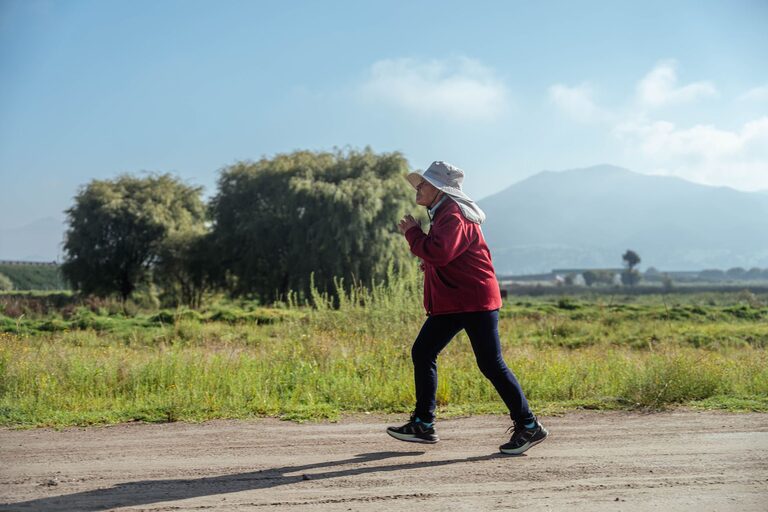
Walking is one of the simplest ways to build daily stamina. It requires little equipment, fits into many schedules, and can be adjusted to match your current comfort level. The key is to begin with routes that feel manageable and gradually add distance, time, or gentle challenges.
A good walking route should be easy to follow, comfortable, and enjoyable enough to repeat. Whether you walk near home, at a park, or indoors, regular practice can help make movement a natural part of your day.
What Makes a Good Beginner Walking Route?
The best starter route is not necessarily the longest or most scenic. It is one that you can complete without feeling overwhelmed and return to regularly.
Look for routes with:
– A clear starting and ending point
– Even, well-maintained surfaces
– Safe crossings and good visibility
– Access to water or rest areas when possible
– Options to shorten or extend the walk
– Places to pause if needed
A route that forms a loop can be especially useful. You can turn back early if you feel tired, or add another loop as your stamina improves.
1. The Short Neighborhood Loop
A neighborhood loop is often the easiest place to begin. Choose a route close to home that takes about 10 to 20 minutes at a comfortable pace.
Start by walking along quieter streets or sidewalks. If your area has hills, choose a mostly level section at first. Count the time rather than focusing on distance, since pace can vary from person to person.
How to Progress
Use the same loop for several walks so it becomes familiar. Once it feels comfortable, try one of these small changes:
– Add five minutes to the walk
– Complete the loop at a slightly quicker pace
– Add one extra block
– Walk the route in the opposite direction
– Repeat the loop after a short pause
Small increases are easier to maintain than sudden, dramatic changes. Familiar routes also make it simpler to notice your progress.
2. The Park Path Route
Parks often provide pleasant walking paths away from busy traffic. Trees, open spaces, and changing scenery can make the walk feel more enjoyable.
Begin with one section of the path rather than trying to explore the entire park. If the path includes benches, use them as natural points for breaks or route markers.
Beginner Tips for Park Walking
– Check the park map before starting
– Choose paths that are clearly marked
– Visit during hours with good visibility
– Wear comfortable shoes with a secure fit
– Keep your first few visits short and relaxed
Once you know the park, you can create different routes for different days. A short loop may work well on a busy morning, while a longer route can fit into a free afternoon.
3. The Out-and-Back Route
An out-and-back route is simple: walk to a chosen point, then return by the same path. This format works well when you want control over the total distance.
Choose a landmark such as a mailbox, playground, library, or intersection. Walk toward it for a set amount of time, then turn around. If you walk for 10 minutes in one direction and 10 minutes back, you have a predictable 20-minute route.
Why This Route Works
An out-and-back walk removes the pressure of knowing how far you are from home. You can turn around at any point, making it easy to adjust the route to your energy level and schedule.
As your stamina grows, move the turnaround point a little farther away. This creates steady progress without requiring a completely new route.
4. The Errand Walk
Combining walking with a simple errand can make daily movement feel more practical. Consider walking to a nearby shop, post office, café, or community location when the distance and route are suitable.
You do not need to carry a large load. If you plan to bring something home, use a small bag and keep the trip comfortable.
Make It a Routine
Try choosing one or two regular errands that can include walking. For example:
– Walk to pick up a few small groceries
– Walk to a nearby mailbox
– Walk to a local coffee shop
– Walk to a library or community center
– Walk part of the way before using transportation
The goal is to connect walking with an existing habit. This can make it easier to remember and more satisfying than treating every walk as a separate task.
5. The Indoor Walking Route
Indoor routes are helpful when weather, daylight, or outdoor conditions make walking less convenient. Shopping centers, indoor tracks, large buildings, and community facilities may offer suitable spaces, depending on local rules.
At home, create a route through several rooms or along a hallway. You can walk for short periods throughout the day rather than completing one long session.
Ideas for Indoor Walking
– Walk during television breaks
– Take a few laps around the building
– Use stairs only if they feel comfortable and safe
– Walk while listening to an audiobook
– Set a timer for short movement breaks
Indoor walking may seem less scenic, but it offers consistency. A reliable indoor option can help you stay active when an outdoor route is not practical.
6. The Gentle Hill Route
Once level routes feel comfortable, consider adding a gentle hill. Inclines can make a familiar walk more challenging without requiring a much longer distance.
Start with one small hill or a gradual slope. Walk at an easy pace and allow yourself to slow down. You can also walk uphill and choose a flatter route for the return trip.
How to Add Hills Gradually
– Choose a short, gradual incline
– Walk it once during your route
– Keep the rest of the walk level
– Take extra time to recover afterward
– Repeat the route before adding another hill
If a hill feels too difficult, return to a flatter route and try again another day. Progress is more useful when it feels controlled and repeatable.
A Simple Weekly Walking Plan
A flexible plan can help you build consistency without making walking feel like a chore. Here is one example:
– Day 1: 10-minute neighborhood loop
– Day 2: 15-minute out-and-back walk
– Day 3: Short indoor walk or rest day
– Day 4: 15- to 20-minute park route
– Day 5: Errand walk or familiar neighborhood loop
– Day 6: Gentle hill route or longer park walk
– Day 7: Easy walk, short movement breaks, or rest
Adjust the plan to fit your schedule. The most important feature is regular practice, not a specific number of minutes.
Tips for Making Walking a Daily Habit
A few simple habits can make walking easier to maintain:
– Keep comfortable walking shoes where you can see them
– Choose a regular time of day
– Invite a friend or family member
– Prepare a playlist or podcast in advance
– Track walks on a calendar
– Use familiar routes on busy days
– Save new routes for times when you have more flexibility
Pay attention to how you feel during and after each walk. If a route causes unusual discomfort, feels unsafe, or is too demanding, shorten it or choose an easier option. When needed, ask a qualified professional for personalized guidance.
Building stamina takes time, but each walk contributes to a stronger routine. Start with a route that feels approachable, repeat it often, and make small changes as your confidence grows. Over time, short neighborhood loops, park paths, errands, and indoor walks can become a natural part of everyday life.